
What is a private ECG? A Consultant Cardiologist's guide
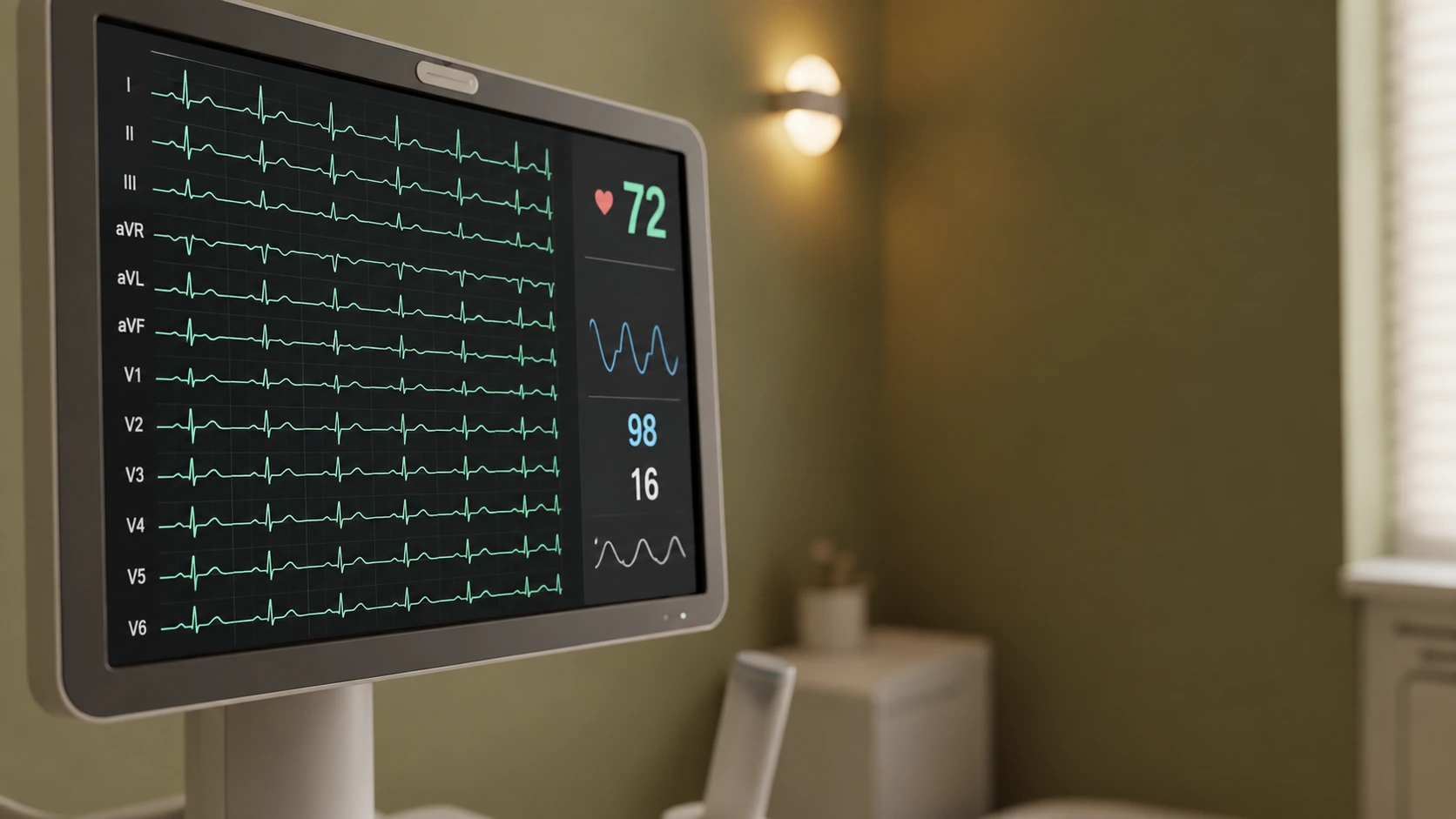
A private ECG, or electrocardiogram, is a quick, painless recording of the heart’s electrical activity. Small sticky electrodes on the chest, arms and legs pick up each heart beat and translate it into a trace. It can show the heart rhythm, signs of strain or thickening of the heart muscle, evidence of a previous problem, and clues to conditions that affect the heart’s electrical system.
Despite its simplicity, an ECG is one of the most useful tests in cardiology, and it often forms the starting point for further assessment. It can capture an irregular rhythm, hint at reduced blood supply to the heart, or reveal an inherited electrical condition that would otherwise go unnoticed. Its limitation is that it records only a brief moment, so intermittent problems may need longer monitoring. At the Harley Street clinic on Devonshire Street in London, the ECG is interpreted by Professor Michael Henein, a Consultant Cardiologist and Professor of Cardiology. An ECG is only as useful as its interpretation, and reading it alongside your symptoms and history is where an experienced cardiologist adds real value.
Who needs a private ECG?
An ECG is often recommended for people with palpitations, chest discomfort, dizziness or breathlessness, for those with high blood pressure or a family history of heart problems, and as part of a wider heart check. It is also used before certain treatments, to monitor known conditions, and to screen people taking up demanding physical activity. Patients from London, other UK cities and abroad.
What to expect on the day
1
Small electrodes are placed on your chest, arms and legs. No needles are involved.
2
You rest still for a short time while the recording is taken. The test itself lasts only a minute or two.
3
Professor Henein reviews the trace and explains what it shows.
4
Where the ECG raises a question, he discusses whether further monitoring or imaging would help.
Types of ECG offered
A resting ECG captures a snapshot of the heart’s rhythm. Where symptoms come and go, a 24 hour heart monitor or a longer recording may be arranged to catch intermittent changes, and where symptoms relate to exertion, a stress test may be more informative. The right test is chosen with you at consultation, so that the recording matches the pattern of your symptoms.
Why choose Professor Henein for a private ECG
The skill in an ECG lies almost entirely in its interpretation, since subtle changes can carry significant meaning. Professor Henein is a Consultant Cardiologist and Professor of Cardiology with fifteen years at Royal Brompton Hospital and a substantial, clinical academic record and publications.
Because he manages the complete patient journey, from this first recording through any further tests, diagnosis and treatment, your care stays under one expert throughout rather than being passed between services.
Common questions about a private ECG
Is an ECG painful?
No. An ECG is quick and painless. Small electrodes are placed on the skin, and no needles are involved.
How long does an ECG take?
The recording itself takes only a minute or two, and the trace is reviewed with you on the day.
What can an ECG detect?
It can show the heart rhythm, signs of strain, and clues to conditions affecting the heart’s electrical system, though it records only a brief moment.
What if my symptoms come and go?
Where symptoms are intermittent, a 24 hour (or longer) heart monitor or a longer recording may be arranged to capture them.
Will my ECG be explained to me?
Yes. Professor Henein reviews the trace with you and explains what it shows in plain language, along with whether any further monitoring or imaging would be helpful.
Book a private ECG
To arrange a private ECG with Professor Michael Henein, contact the clinic at 16 Devonshire Street, London W1G 7AF, in the heart of the Harley Street medical district. Appointments are available to patients from London, other UK cities and abroad. To book, call +44 20 7228 8546 or email hayley.gibbs@hcaconsultant.co.uk, or use the booking button on this page to request an appointment. Professor Henein oversees each stage of your care, from your first appointment through any imaging, diagnosis and treatment, so your heart is looked after by one experienced consultant throughout.